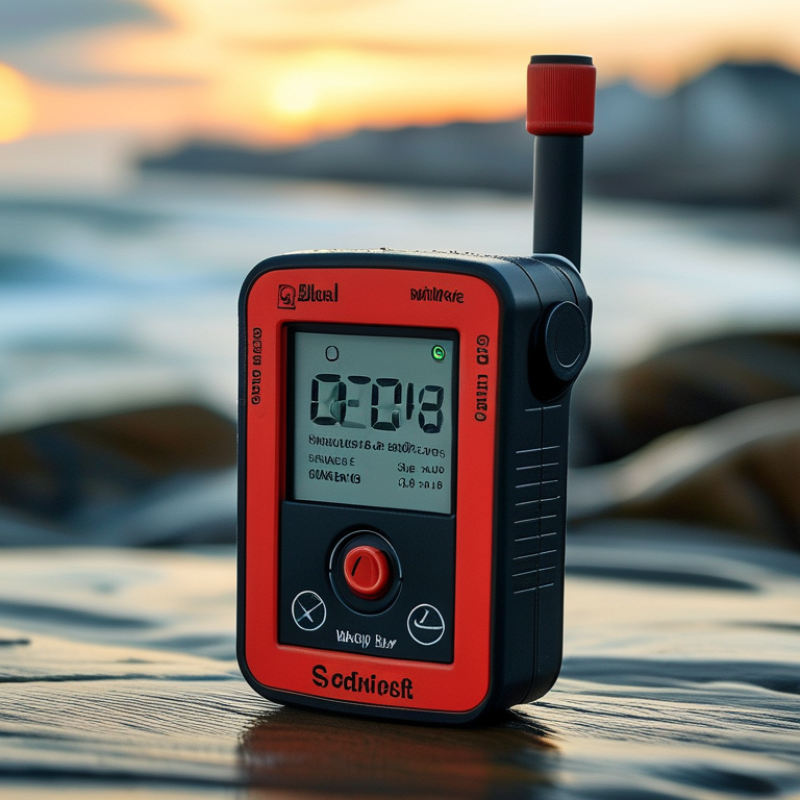
10 Smoke And CO Detector Buying Tips for Global Buyers

Choosing a reliable Smoke And Co Detector is a safety decision, not merely a purchasing task. Global buyers must compare sensing technology, certifications, battery options, and supplier performance. Requirements can vary between countries, buildings, and installation environments. A detector suitable for a dry apartment may perform differently in a humid coastal warehouse.

Details matter.

Look for clearly documented smoke and carbon monoxide sensing methods. Check whether the product has been tested by recognized, independent certification bodies. Confirm the applicable standards with local authorities, distributors, or qualified fire safety professionals. Do not rely only on attractive packaging or a familiar-looking logo. Verify the certificate number, production date, warranty terms, and replacement guidance. These small checks can reveal important differences.

Practical experience also matters. Test buttons should be easy to press, alarm sounds should be clearly distinguishable, and battery compartments should be accessible. Wireless models need dependable connectivity and simple pairing instructions. Review false alarm history, operating temperature, humidity limits, and maintenance requirements. A cheap unit may become expensive after frequent replacements or nuisance alarms.

No checklist is perfect.

Even experienced buyers can overlook translation quality or after-sales support. Ask whether manuals are available in the target market’s language. Confirm response times for technical questions and warranty claims. Compare several suppliers, retain test records, and inspect samples before larger orders. Responsible sourcing protects residents, installers, and property owners. These ten buying tips provide a practical starting point, while careful local verification remains essential.

10 Smoke And CO Detector Buying Tips for Global Buyers

Understand the Difference Between Smoke and Carbon Monoxide Detection

Smoke and carbon monoxide detectors respond to different threats. Smoke alarms sense airborne particles from combustion. Carbon monoxide alarms measure an invisible, odorless gas produced by incomplete burning. They are not interchangeable. A detector that reacts quickly to smoke may not detect CO at all.

NFPA’s 2024 Home Structure Fires report links missing or nonoperating smoke alarms to roughly three out of five home-fire deaths. That finding makes sensor reliability and maintenance essential. Photoelectric smoke sensors often suit slow, smoldering fires, while other sensor designs can respond faster to flaming fires. CO detectors commonly use electrochemical sensors. Check applicable certifications, such as EN 14604, EN 50291, UL 217, or UL 2034, according to the destination market.

Placement matters. Install smoke alarms on ceilings or high walls, including bedrooms and escape routes. Place CO alarms near sleeping areas and on each level, but not directly above fuel-burning appliances. The CDC reports over 400 annual U.S. deaths from unintentional, non-fire CO poisoning, plus more than 100,000 emergency department visits. Test every unit regularly. Replace batteries and expired detectors promptly.

Combined alarms can simplify purchasing, yet they may create false confidence. One device cannot cover every room or hazard. I would also verify alarm history, end-of-life warnings, temperature limits, and multilingual instructions before ordering. A lower price is not always a lower total cost. Rescue access, installation conditions, and local regulations can change the buying decision.

10 Smoke and CO Detector Buying Tips for Global Buyers

Smoke detectors respond to airborne combustion particles, while carbon monoxide detectors measure CO concentration in the air. The chart shows the response-time ranges specified for CO alarms under UL 2034 testing thresholds. Actual performance may vary by model, installation conditions, and local certification requirements. Buyers should select certified smoke and CO protection according to the regulations in the target market.

Choose the Right Detector Type for Each Room and Property

Choosing the right detector type by room matters more than buying the same unit everywhere. In bedrooms and hallways, photoelectric smoke detectors often respond well to slow, smoldering fires. They can provide valuable warning near bedding and upholstered furniture. For kitchens, steam and cooking particles may trigger nuisance alarms. A heat detector may fit better there, but it does not replace smoke protection nearby. Keep it outside the kitchen, not inside it. Placement matters.

For garages, workshops, and boiler rooms, consider heat detection and a separate carbon monoxide detector near fuel-burning equipment. CO is invisible and odorless. Position the alarm according to the appliance layout, sleeping areas, and installation instructions. In large homes, guesthouses, or warehouses, interconnected detectors can notify distant occupants. I have seen buyers overlook ceiling height, dust, and humidity. That mistake can reduce reliability. Choose protected designs for harsh conditions, while checking their sensing limits carefully.

Apartments, offices, and rental properties may need different coverage plans. A compact property can use room-specific detectors, while a multi-floor building may require networked units and easy testing access. Confirm battery life, replacement availability, audible volume, and compatibility with local electrical systems. Certifications should be recognized in the target market, not merely printed on packaging. I would question “maintenance-free” claims; every detector needs testing and eventual replacement. A practical decision weighs fire risks, false alarms, occupant mobility, and emergency response time for each room.

Check Certifications, Standards, and Regional Compliance Requirements

For global buyers, certification is not a decorative mark on the packaging. It proves that a detector was tested against a defined safety standard. In the United States, check UL 217 for smoke alarms and UL 2034 for carbon monoxide alarms. Installation should also follow NFPA 72 requirements. In Europe, smoke alarms commonly require EN 14604 conformity, while CO alarms generally follow EN 50291. Requirements vary by country.

A certificate is not automatically transferable. Confirm the exact model, production site, test laboratory, and certificate scope. The European Commission’s market surveillance reports repeatedly identify missing technical documents and incorrect conformity markings as common product weaknesses. The NFPA report Smoke Alarms in U.S. Home Fires, 2018–2022, found that alarms were present in 74% of reported home fires, but operated in only 53%. Missing, disconnected, or depleted power sources remained major failure factors. Certification cannot correct poor installation.

Ask whether the detector supports the destination’s voltage, radio frequency rules, language labels, and end-of-life warnings. Australia may require AS 3786 compliance, while the United Kingdom uses different domestic installation guidance and product expectations. Check local fire codes before purchasing large quantities. I have seen buyers focus on a familiar certification logo and overlook regional documentation. That shortcut feels efficient. It is not. Even reputable test reports may exclude accessories, software, or wireless functions. Request current reports, declarations, and sample labels, then verify them with the issuing laboratory. Oversight is imperfect, but careful verification reduces costly surprises.

Compare Power Sources, Connectivity, and Maintenance Needs

Power choice affects both safety and ownership cost. Battery-only detectors are simple to install, especially in older homes or remote properties. Choose replaceable batteries when local supply is reliable and easy to access. Sealed long-life batteries reduce forgotten replacements, but the entire unit may need replacement later. Mains-powered models can provide steady operation, yet buyers should verify voltage, frequency, wiring requirements, and backup-battery performance. A plug adapter alone is not enough.

Connectivity needs careful comparison. Interconnected alarms can warn occupants throughout a house when one sensor detects smoke or carbon monoxide. Wireless systems simplify installation, while wired connections may remain dependable during network problems. App-connected devices can send alerts when nobody is home, but they depend on internet service, account access, and compatible phones. Cellular communication may help in areas with unstable broadband. Check data handling policies and regional network support. More connectivity is not always better.

Maintenance is where many purchases become disappointing. Test every detector monthly and record the date on a simple checklist. Keep sensors away from dust, steam, and cooking fumes, while following the manufacturer’s placement guidance. Replace batteries before the warning chirp becomes urgent. Never ignore a low-battery signal. Units also have service lives, commonly around a decade, but dates vary by model and market. A practical mistake is buying identical units for every room without checking room size, humidity, or local installation rules. Conditions differ. Reconsider the plan after moving, renovating, or adding fuel-burning equipment.

10 Smoke and CO Detector Buying Tips for Global Buyers — Compare Power Sources, Connectivity, and Maintenance Needs
No. Buying Tip What to Compare Practical Selection Guidance Maintenance and Safety Considerations
1 Choose the sensing technology Photoelectric smoke sensing, ionization smoke sensing, or a dual-sensor design Photoelectric sensors are generally more responsive to smoldering fires, while ionization sensors can respond quickly to some fast-flaming fires. A dual-sensor alarm can provide broader smoke coverage. Avoid placing any smoke alarm where normal cooking or steam may cause repeated nuisance alarms. Follow the installation instructions for the selected sensor type.
2 Compare carbon monoxide detection CO sensor type, alarm thresholds, self-test functions, and end-of-life indication Use a detector specifically tested and certified for carbon monoxide detection. CO alarms should be installed near sleeping areas and on each level where required by local regulations. A CO alarm does not replace annual servicing of fuel-burning appliances. Test the alarm regularly and replace it when its service-life indicator requires replacement.
3 Evaluate the power source Replaceable batteries, sealed long-life batteries, hardwired power, or hardwired power with battery backup Replaceable-battery models can be easy to install but require scheduled battery changes. Sealed battery models reduce routine battery handling. Hardwired models can provide continuous mains power but require suitable electrical installation. Battery backup is important where mains power may fail. Never remove a battery to silence an alarm; investigate the cause and ventilate the area if CO is suspected.
4 Check alarm interconnection Standalone operation, wired interconnection, wireless interconnection, and compatibility with existing alarms Interconnected alarms can make every connected unit sound when one detector senses smoke or CO. Verify the permitted number of connected units, communication method, and installation range. Wireless systems may be affected by building materials, distance, or radio interference. Test the complete interconnected system after installation and after changing any unit.
5 Review smart connectivity Local alarms, app alerts, Wi-Fi, low-power wireless protocols, gateway requirements, and data privacy Connected models may send low-battery, fault, or alarm notifications to a phone. Confirm whether the product works without internet access and whether a separate hub or subscription is required. A mobile notification should supplement, not replace, a loud local alarm. Check regional radio-frequency rules, network support, software-update policies, and account recovery options.
6 Confirm certifications and market compliance Applicable smoke and CO alarm standards, electrical approvals, radio approvals, and country-specific labeling Certification requirements differ by destination market. Request current test reports, conformity documentation, installation instructions, and declarations required for the countries where the units will be sold or installed. Do not rely only on a general quality statement or a logo printed on packaging. Check that the certification applies to the exact model, configuration, and intended market.
7 Consider environmental conditions Operating temperature, humidity range, altitude, dust resistance, and suitability for kitchens or garages Select a detector whose specified environmental range matches the installation location. Avoid locations exposed to excessive dust, grease, condensation, direct airflow, or extreme temperature changes unless the instructions permit them. Keep smoke alarms away from air vents, fans, and very dusty areas. Use a suitable detector for locations where ordinary household conditions may cause nuisance alarms.
8 Assess installation and accessibility Ceiling or wall mounting, mounting hardware, test-button access, tamper resistance, and replacement access Ceiling mounting is commonly preferred for smoke alarms because smoke rises, but exact placement must follow local codes and the product instructions. Choose a design that can be tested without ladders where possible. Do not paint over an alarm or obstruct its openings. Keep the unit accessible for testing, cleaning, battery replacement, and end-of-life replacement.
9 Compare maintenance requirements Test frequency, cleaning method, battery replacement schedule, fault alerts, and replacement interval Look for a clear test procedure, visible status indicators, low-battery warnings, and an end-of-life signal. A practical maintenance plan should include regular testing and periodic cleaning according to the instructions. Dust can affect sensing performance. Replace the entire detector when it reaches its stated service life, is damaged, fails a test, or repeatedly produces unexplained alarms.
10 Plan logistics and total cost Unit price, batteries, installation labor, connectivity fees, packaging, language support, warranty, and spare-part availability Compare the total ownership cost rather than purchase price alone. For international distribution, confirm voltage requirements, plug or wiring differences, packaging language, user-manual translations, and regional warranty support. Keep records of installation dates, test results, battery changes, and replacement dates. Store and transport detectors within the temperature and handling limits specified by the manufacturer.

Evaluate Reliability, Coverage, Warranty, and Total Ownership Cost

10 Smoke And CO Detector Buying Tips for Global Buyers

Reliability should be tested beyond a product leaflet. Check independent test reports, sensor response data, alarm volume, and fault alerts. A detector should identify smoke and carbon monoxide quickly, even with dust or changing room temperatures. In field inspections, I look for clear battery warnings and simple test buttons. Small details matter during a nighttime emergency. Choose units with certification accepted in the installation country. Requirements differ across markets, so verify them before ordering.

Coverage depends on room size, ceiling height, airflow, and detector placement. A single unit may not protect a large home or a property with several floors. Kitchens, garages, bedrooms, and fuel-burning equipment need careful planning. Wireless links can improve coverage, but signal loss through concrete walls remains possible. Test every connected alarm after installation. Real buildings are rarely as simple as floor plans suggest.

Warranty terms reveal more than marketing language. Confirm the warranty period, replacement process, shipping responsibility, and exclusions for batteries or installation damage. Also calculate total ownership cost, including batteries, mounting labor, testing, disposal, and future replacements. A cheaper detector may require frequent battery changes or create more false alarms. That cost is easy to overlook. I once underestimated service time on a multi-floor project, and the purchase looked less economical afterward. Keep invoices, installation records, and test dates for reliable maintenance decisions.

Kontaktbox-Frau

  • CNC-STEP – Quick contact