



How to Choose the Best Towable Boom Lift for Your Project?

Choosing the right equipment for a project can be challenging. One crucial piece of machinery is the Towable Boom Lift. This lift offers versatility and convenience, especially for projects requiring elevated access. However, not all towable boom lifts are created equal.

When selecting a Towable Boom Lift, consider your project’s specific needs. Pay attention to the lift height, weight capacity, and overall stability. Each project may require different specifications, making it essential to assess your situation. It’s easy to overlook details that could impact safety or efficiency.

Think about the terrain and space available. Some lifts may struggle on uneven ground. Inadequate training or knowledge can lead to mistakes in choosing. Researching and comparing models can help avoid regrettable decisions. Ultimately, a well-chosen Towable Boom Lift can enhance productivity, but the wrong choice may lead to delays and safety hazards.
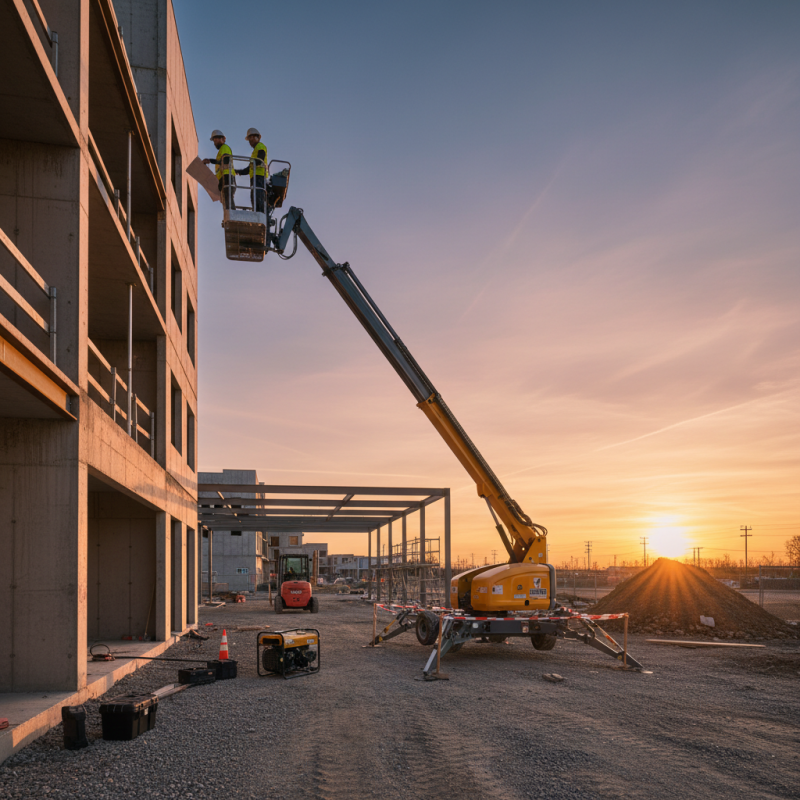
How to Choose the Best Towable Boom Lift for Your Project?

Understanding the Basics of Towable Boom Lifts

Towable boom lifts are essential for various projects. They provide flexibility and reach for tasks at different heights. Unlike traditional lifts, towable versions are lightweight and easily transportable. You can hitch them to a vehicle and move them across job sites with minimal hassle. This mobility is particularly valuable for contractors working on multiple locations.

Understanding the basic features of these lifts is crucial. Look for the height range and weight capacity. It’s disappointing to find a lift lacks the necessary reach when you need it most. Consider the platform size and controls too. A cramped space can be a safety risk. Intuitive controls make operations smoother.

Consider the terrain where you'll use the lift. Uneven ground or soft soil can pose challenges. Some models may struggle with stability in these conditions. It’s important not to overlook maintenance needs. A poorly maintained lift could lead to accidents or inefficiencies. Reflect on your project’s unique demands to make a well-informed choice.


Key Factors to Consider When Choosing a Towable Boom Lift

When selecting a towable boom lift, several key factors are essential. One significant aspect to consider is the lift's height and reach. Different projects require different heights. Evaluate the maximum working height needed for your tasks. Ensure the boom lift can provide that reach effectively.


The lift's weight and size play a role, too. Consider your vehicle's towing capacity. If the lift is too heavy, towing becomes a hassle. Some projects might also require navigating tight spaces. A compact model could be appropriate for such situations.


Keep in mind the terrain you will be working on. Not all boom lifts are built for rough terrain. If your project is in an uneven area, select a model designed for stability. Think about safety features as well. Important aspects include emergency lowering mechanisms and outrigger stability. Balancing these details can make a significant difference.


Remember, the right choice can simplify your job but requires careful consideration.

Evaluating Project Requirements for Optimal Lift Selection

Choosing the right towable boom lift starts with understanding your project requirements. Identify the height and reach you need. Consider the type of tasks you will be performing. Different lifts cater to various functions. Do you need to access tight spaces? This will impact your selection.

Tips: Always measure your workspace before making any decisions. This can prevent costly mistakes. A lift that is too large may not fit!

Next, assess the weight capacity necessary for your project. Will you be lifting heavy equipment or just personnel? Ensure the lift can handle your needs without strain. Don’t forget about stability. A lift that wobbles can lead to accidents.

Tips: Check the terrain where you’ll be operating. Uneven surfaces may require specialized models. It’s easy to overlook safety features, but they are critical. Always prioritize your team’s safety on the job.

Evaluating Towable Boom Lift Options for Your Project

The following chart illustrates the comparison of various specifications for different types of towable boom lifts based on their working height, platform capacity, and weight. This information can guide you in selecting the best option for your project requirements.

Comparing Different Models and Features of Towable Boom Lifts

When selecting a towable boom lift for your project, it’s crucial to understand the various models available. Different models come with unique specifications. Some have higher reach capabilities, while others excel in compactness. Consider the height you need. A specific task may require a lift that reaches over obstacles. Compact models may suit projects in tight spaces.

Weight capacity is another key feature to evaluate. Each model has a specific load limit. Ensure you account for all equipment and personnel. Safety features should not be overlooked. Outriggers, stabilizers, and emergency descent systems play vital roles in maintaining safety and stability.

Additionally, think about portability. Some models are easier to transport than others. Check the weight and dimensions when folded. Assess your towing vehicle's capabilities. Reflect on the terrain as well. A lift designed for rugged surfaces may be necessary for uneven ground. Sometimes, there may not be a perfect choice, and compromises will be needed. A balance between reach, weight, and portability is crucial for project success.

Safety Considerations and Best Practices for Using Boom Lifts

When using a towable boom lift, safety comes first. Inspect the equipment before use. Look for signs of wear and damage. Ensure that safety features, like guardrails and harnesses, are in good working condition. Operators should always wear suitable personal protective equipment (PPE). This can prevent injuries during operation.

Tips: Always assess the worksite’s terrain. Uneven or unstable ground can lead to accidents. Also, consider weather conditions. Wind can make lifting dangerous. If conditions seem risky, postpone the work.

Training is crucial. Operators need training on how to handle the boom lift safely. Familiarity with controls and emergency procedures is vital. Mistakes can happen if operators lack experience.

Tips: Encourage communication among the crew. Use hand signals or radios to stay coordinated. This awareness can help avoid dangerous situations. After the project, conduct a safety debrief. Reflection can lead to better practices in the future.

How to Choose the Best Towable Boom Lift for Your Project? - Safety Considerations and Best Practices for Using Boom Lifts

Feature Description Safety Considerations Best Practices
Platform Height The maximum height the boom lift can reach. Ensure the selected height meets your project requirements. Verify that all operators are trained for the height requirements.
Weight Capacity The maximum load the boom lift can safely carry. Exceeding weight limits can cause tipping or structural failure. Always calculate and monitor the weight of equipment and personnel.
Reach and Extension The horizontal distance the boom lift can extend. Consider the ground stability when reaching outwards. Do not operate at maximum extension without proper checks.
Stability Features Features that enhance the stability of the boom lift. Ensure the lift has a proper base for stability during operation. Always set up on a firm, level surface.
Outreach Capability The distance the boom can move outward from its base. Check for potential obstacles that may interfere with movement. Plan your path ahead to avoid hazards while moving outward.

Kontaktbox-Frau

  • CNC-STEP – Quick contact