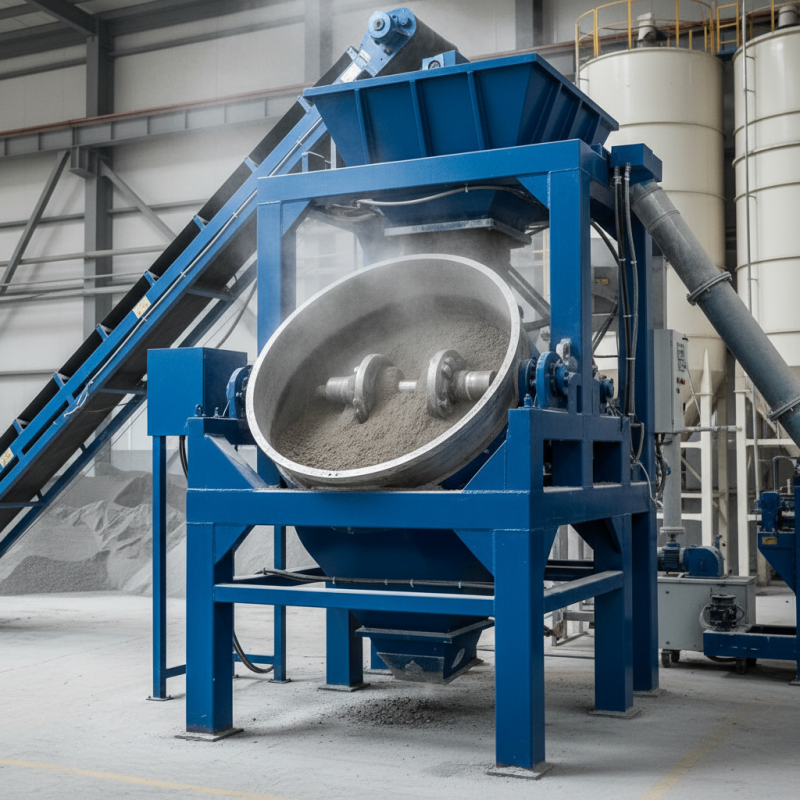
How to Choose the Best Twin Shaft Mixers for Your Needs?
Choosing the right mixers for your operation is crucial. Twin Shaft Mixers offer unique advantages in many applications. These mixers are known for their efficiency and high-quality output. However, selecting the best one can be challenging.
With various options available, it's vital to consider your specific needs. Factors such as mixing capacity, material type, and operational requirements come into play. Twin Shaft Mixers excel at blending different materials uniformly. Yet, not every mixer will meet your unique demands.
Evaluating the reliability and performance of these mixers is essential. Experienced users often share valuable insights about their performance in real applications. Researching and seeking expert opinions can help guide your decision. It’s not just about finding a mixer; it’s about finding the right Twin Shaft Mixer for your operation.
Factors to Consider When Selecting a Twin Shaft Mixer
When selecting a twin shaft mixer, understanding your specific needs is crucial. Different industries use these mixers for various purposes. Consider the materials you’ll be mixing. Are they dry, wet, or a combination? The composition impacts performance and durability. Mixing efficiency is influenced by the mixer’s design and shaft configuration.
Another important factor is capacity. Evaluate the volume of material you typically work with. Larger projects may need a mixer with increased capacity. However, oversizing can lead to wasted energy and increased costs. Pay attention to the mixing time as well. Some mixers offer faster operations without compromising quality.
Durability is key. Look for materials that resist wear and tear. Mixers in harsh environments need robust construction. Maintenance must also be convenient, as downtime can be costly. Lastly, consider the energy consumption. A more efficient mixer can save you money in the long run. Reflecting on these elements will guide you to the right twin shaft mixer for your application.
Understanding the Different Types of Twin Shaft Mixers Available
When selecting a twin shaft mixer, understanding the available types is crucial. Twin shaft mixers come in various designs tailored for different applications. Some mixers focus on high viscosity materials, while others handle low-density components efficiently. For example, heavy-duty models are ideal for concrete production, ensuring thorough mixing of aggregates and additives.
Another key type is the compact twin shaft mixer. These are suited for limited spaces and often used in smaller operations. Their design facilitates quick mixing cycles, enhancing productivity. However, choosing the wrong type might lead to inadequate mixing or increased wear and tear.
Consider the mixing intensity required for your materials. A specialized mixer might offer better results, but it may also come with higher maintenance needs. Regular maintenance is essential to prolong the mixer's life. Evaluating your specific requirements is important. Not all mixers will fit every situation, and reflecting on your needs can lead to better outcomes.
Key Features That Enhance Mixer Performance and Efficiency
When selecting twin shaft mixers, it's essential to focus on key features that boost performance. Mixing efficiency can be significantly enhanced by considering the design of the mixing blades. The shape and angle of these blades determine how materials are blended together. High-quality mixers often have uniquely designed blades that create a turbulent flow. This flow ensures materials mix thoroughly and evenly.
Another critical factor is the mixing capacity. It's important to match the mixer size with your production needs. A mixer that is too small may not handle large batches effectively. Conversely, one that is too large can waste energy and time. Look for mixers with adjustable speed settings. This feature allows you to customize the mixing process for various materials and mixtures.
Durability is vital as well. The materials used in construction should withstand heavy usage over time. Stainless steel components are often preferred due to their resistance to corrosion and wear. Maintenance requirements are also worth considering. Mixers that are easy to clean save operational time and reduce downtime. Evaluate the design and materials thoroughly. Such attention to detail can make all the difference in long-term efficiency and reliability.
Assessing Your Specific Mixing Needs and Material Compatibility
When selecting the best twin shaft mixers, it's vital to assess your specific mixing needs and the compatibility with materials. Mixing tasks vary widely across industries, and not all mixers are created equal. Understanding the characteristics of the materials, like viscosity and density, significantly influences your choice. For instance, a report from the American Concrete Institute highlights that more than 30% of mixer failures stem from improper material compatibility.
Tips: Identify your material's rheological properties. This helps in matching the mixer design with your requirements.
Consider the application as well. Different sectors—such as construction, chemicals, and food production—demand tailored mixing solutions. For example, dry bulk materials require a robust mixing action to ensure homogeneity. The Chemical Engineering Journal emphasizes that 25% of production issues arise from inadequate mixing processes.
Tips: Evaluate your mixing frequency and batch sizes. These factors will significantly influence the mixer specifications you choose. Your operational cost will depend on efficiency and downtime, making this analysis crucial.
Budgeting for Your Twin Shaft Mixer Purchase and Maintenance Costs
When considering a twin shaft mixer, budgeting for both purchase and maintenance costs is crucial. Industry reports suggest that these mixers can range from $30,000 to over $100,000, depending on capacity and features. Initial investment is significant, but lifetime operational costs must also be factored in. Maintenance might include routine checks, spare parts, and repairs, which can add up to 10% of the mixer’s initial cost each year.
Tips: Always ask for a detailed breakdown of maintenance services. This helps in understanding long-term costs better. Additionally, consider energy consumption; efficient mixers can lower utility bills significantly.
Focusing on operational efficiency is essential. Research indicates that appropriately maintained mixers tend to operate at 90% efficiency or higher. In contrast, neglect can drop efficiency to below 70%. This highlights the importance of regular maintenance. Invest in quality parts and service. While cheaper options might tempt you, they often lead to increased expenses in the long run.
Budgeting for Your Twin Shaft Mixer Purchase and Maintenance Costs