


Why Choose Industrial CNC for Your Manufacturing Needs?
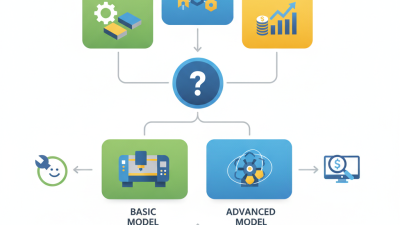
In the fast-evolving world of manufacturing, choosing the right tools is critical. Industrial CNC technology stands out as a powerful solution for many businesses. Precision, efficiency, and versatility define its appeal. It allows manufacturers to create complex parts with outstanding accuracy. This technology is not just about machines; it represents a mindset focused on innovation.
Many manufacturers are still hesitant to invest in industrial CNC. They worry about high costs and the need for skilled operators. However, the return on investment often justifies these concerns. With reduced waste and faster production times, companies can enhance their competitiveness. The reliable nature of CNC machines means fewer errors in production, leading to cost savings in the long run.
While industrial CNC has many advantages, it is essential to consider its limitations. Initial setup can be complex, demanding time and financial resources. Additionally, ongoing maintenance is crucial for uninterrupted operations. Manufacturers must weigh these factors carefully. The potential for growth and efficiency is immense, but so are the challenges.
Benefits of Using CNC Machines in Industrial Manufacturing
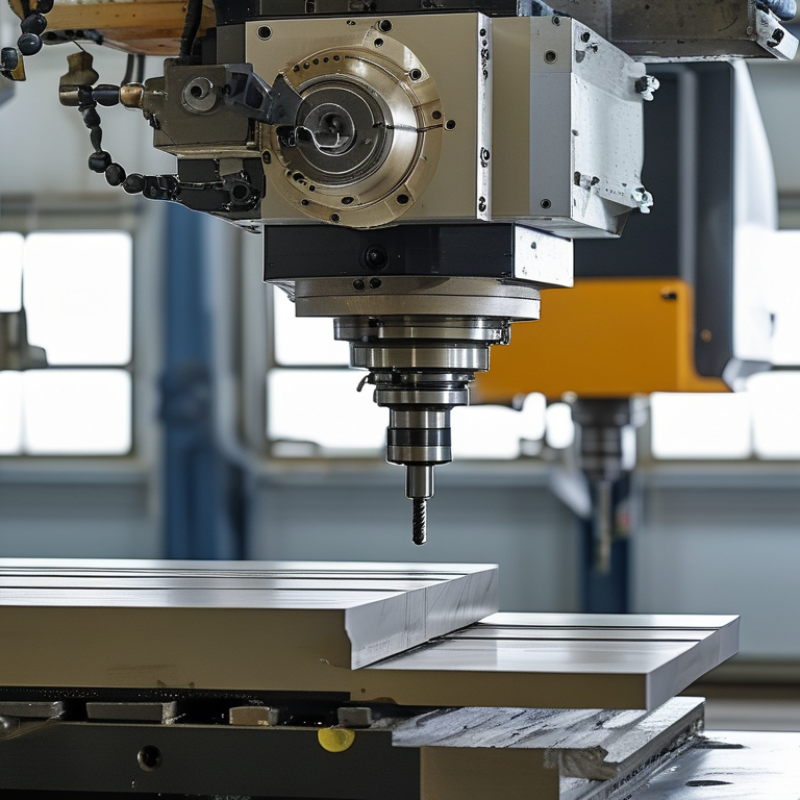
CNC machines have transformed industrial manufacturing in many ways. These machines offer precision that traditional methods simply cannot match. With automated processes, manufacturers can produce complex parts with minimal human intervention. This efficiency reduces errors and waste, leading to cost savings.
The benefits extend beyond precision. CNC machines operate consistently, maximizing output. This reliability is vital for meeting production deadlines. However, it’s essential to consider the skills needed. Workers must understand programming and machine operation. Training is an investment that pays off in productivity.
Additionally, while CNC technology provides numerous advantages, it comes with challenges. Initial costs can be significant, and maintenance requires attention. Companies must stay updated with advancements in technology. Failing to adapt can leave businesses behind. Balancing the benefits and challenges is crucial for long-term success in manufacturing.
Key Features of Industrial CNC Technology
Industrial CNC technology has transformed manufacturing processes significantly. One key feature is precision. A report from the International Journal of Advanced Manufacturing Technology indicates that CNC machining can achieve tolerances as tight as ±0.01 mm. This level of accuracy reduces material waste and enhances product quality.
Another important aspect is automation. Industrial CNC machines can operate continuously with minimal human intervention. According to a survey by the Manufacturing Institute, 67% of manufacturers report increased efficiency due to automation. This feature allows for higher production rates, meeting market demand without compromising quality.
Despite these advantages, there are challenges. The initial investment in CNC technology can be high. Additionally, skilled personnel are needed to operate and maintain the machines. This reliance on expertise may lead to bottlenecks in production. Understanding these factors is vital for businesses considering this technology.
Comparing CNC with Traditional Manufacturing Methods
When comparing CNC machining to traditional manufacturing methods, the advantages of CNC become clear. CNC machines offer precision that manual methods struggle to match. According to a 2022 report by the International Federation of Robotics, industrial robots can achieve accuracy levels as precise as 0.01 mm. In contrast, traditional methods often depend on human skill, leading to variability and error.
Efficiency is another critical factor. A study from the National Institute of Standards and Technology (NIST) found that CNC operations can complete parts up to 75% faster than manual techniques. This rapid production often translates to shorter lead times, allowing manufacturers to respond quicker to market demands. Yet, it’s worth noting that the initial investment in CNC technology can be high, posing a challenge for smaller operations. Some might wonder whether the upfront costs outweigh the benefits.
Sustainability is also a vital consideration. A report from the American Society of Mechanical Engineers indicates that CNC machining generates less waste compared to traditional methods, as it often uses materials more efficiently. However, the energy consumption of CNC machines can lead to questions about their overall ecological impact. Balancing efficiency, cost, and sustainability is an ongoing challenge for manufacturers adopting CNC technology.
Why Choose Industrial CNC for Your Manufacturing Needs? - Comparing CNC with Traditional Manufacturing Methods
| Criteria | CNC Machining | Traditional Manufacturing |
|---|---|---|
| Production Speed | Fast, capable of rapid prototyping | Slower, manual machining process |
| Precision | High tolerance and repeatability | Lower precision, more variations |
| Material Versatility | Wide range of materials including metals and plastics | Limited to certain materials |
| Labor Costs | Reduced labor costs due to automation | Higher labor costs for skilled workers |
| Setup Time | Lower setup time, especially for small batch production | Longer setup time for each job |
| Flexibility | Highly flexible, easy to switch designs | Limited flexibility, harder to change designs |
| Waste Management | Less material waste due to efficient cutting | More waste resulting from manual processes |
Applications of CNC in Various Industries
CNC technology plays a crucial role across various industries. In aerospace, precise machining is vital. According to a recent report, 70% of aerospace manufacturers use CNC for critical components. These components, like turbine blades, require tight tolerances. CNC machines ensure consistency and accuracy, which manual processes often fail to deliver.
In the automotive sector, CNC machining is also prevalent. Over 60% of parts, from engine blocks to dashboards, are produced using CNC technology. This technique reduces lead times and waste. However, some manufacturers still rely on outdated methods, risking efficiency. By transitioning to CNC processes, they might find quality improvements.
The medical industry benefits significantly from CNC applications. Surgical instruments must adhere to strict standards. Studies indicate that CNC machining improves precision in crafting these vital tools. Nonetheless, challenges like machine downtime and initial costs can deter investment. Emphasizing the long-term benefits of reliability and quality can guide manufacturers in overcoming these obstacles.
Cost Efficiency and Precision of CNC Machining
CNC machining stands out for its remarkable cost efficiency and precision. According to a report by the National Association of Manufacturers, companies using CNC machines saw operational costs drop by up to 20%. This efficiency stems from reduced labor costs and minimized material waste. The technology allows manufacturers to create complex parts quickly, which traditional methods struggle to achieve.
Precision is another critical factor. CNC machines can achieve tolerances as tight as ±0.005 inches. This level of accuracy is vital in industries like aerospace and automotive, where even minor deviations can lead to significant safety issues. However, maintaining this precision requires skilled personnel and adequate training. Some companies overlook the importance of workforce development, resulting in suboptimal machine utilization.
The investment in CNC machinery can be significant. However, the long-term savings often justify the costs. Data indicates that CNC machining reduces production time by up to 50%, allowing companies to meet tighter deadlines. Yet, some manufacturers may find it challenging to adapt to this technology fully, leading to a gap between potential and actual performance. Overcoming this requires continuous evaluation and adjustment of both processes and workforce skills.
Cost Efficiency and Precision of CNC Machining
This chart illustrates the cost efficiency and precision differences between CNC machining and traditional machining methods. CNC machining is significantly more cost-effective and precise, reducing overall material waste.
Related Posts
-
How to Choose the Best CNC Milling Machine for Your Needs?
-
Top 10 CNC Routers in the UK for Woodworking and Metalworking Projects
-
Top CNC Metal Machining Techniques for Precision Parts in 2023
-
Top 5 Tips for Choosing a Table Top CNC Machine?
-
Understanding Global Manufacturing Standards for Best CNC Milling Processes
-
Why Investing in CNC Machines Can Boost Your Production Efficiency by 30% Financially

Siemensstraße 13-15
47608 Geldern
NRW Deutschland
Mail: sale@atmmachinesolutions.com
Head office:
+49 (0) 2831 91021-20
Fax:
+49 (0) 2831 91021-99
SUPPORT and INFO
from 3 p.m. to 6 p.m:
+49 (0) 2831 91021-60
( please ring for a long time )
Monday to Friday
8.00 – 12.30
and 13.00 – 15.00
Visit / collection by appointment only!
➣ Sign up for our newsletter
Benefit from a 20% discount, don’t miss any events and always stay up to date.
To access the actual content, click on the button below. Please note that data will be passed on to third-party providers.
More information