Why Choose a Desktop CNC Router for Your Business Needs?
The demand for precision manufacturing continues to rise. According to industry reports, the global CNC market is projected to reach $100 billion by 2025. Small businesses seek affordable solutions to keep pace with larger competitors. A desktop CNC router stands out as a versatile tool for these enterprises.
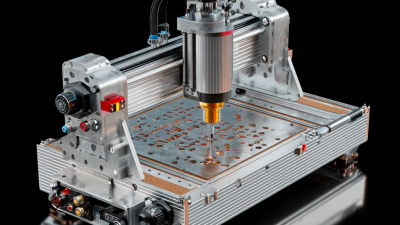
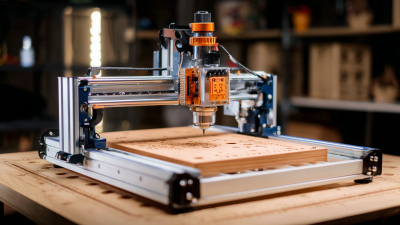
Desktop CNC routers combine compact size with powerful capabilities. They allow businesses to produce intricate designs with high precision. Many models can handle diverse materials, from wood to aluminum. This flexibility is crucial for small shops that require adaptability. However, selecting the right machine remains a challenge.
Ownership of a desktop CNC router isn't just a financial commitment; it requires skill and practice. It's essential to understand the learning curve involved. While some find it easy to adapt, others may struggle. Successful integration into a business depends on the operator's experience and knowledge. Striking a balance between innovation and practical application is vital for maximizing this technology's potential.

Benefits of Using a Desktop CNC Router for Small Businesses
Desktop CNC routers are gaining traction among small businesses due to their versatility and efficiency. According to recent industry reports, nearly 40% of small manufacturers are investing in CNC technology to enhance productivity. These machines offer precision in various materials, from wood to plastics, making them ideal for diverse applications. With a small footprint, they easily fit into workspaces, allowing for flexibility in production.
The benefits extend beyond just space efficiency. Many businesses report a 25% increase in output after integrating desktop CNC routers into their operations. These routers enable complex designs that were once impossible with manual methods. However, training staff to operate them effectively remains a challenge. As with any new technology, there is a learning curve, which can lead to initial setbacks in production. Nevertheless, the long-term gains often outweigh these early hurdles.
Moreover, the cost-effectiveness of desktop CNC routers cannot be overlooked. Studies indicate that businesses can recover their investment within a year, thanks to reduced labor costs and material waste. While some may worry about the initial cost, the ROI is compelling. Still, businesses should assess their workflow comprehensively. Sometimes what seems advantageous may require significant adjustments in processes, leading to potential disruptions.
Advantages of Using a Desktop CNC Router for Small Businesses
This chart illustrates the key advantages of using a desktop CNC router for small businesses. Each benefit is rated on a scale of 1 to 10, highlighting the significance of cost efficiency, versatility, precision, compact size, and ease of use in optimizing business operations.
Key Features to Look for in a Desktop CNC Router
When selecting a desktop CNC router, certain key features are crucial for meeting business needs. Precision is paramount. Look for routers with high-resolution stepper motors. This ensures your cuts are accurate, especially for intricate designs. A durable frame is also essential. Metal frames provide better stability during operation. A stable router reduces vibrations and enhances the quality of your work.
Consider the software compatibility. A user-friendly interface is a must. It allows you to design and modify projects easily. A router that supports various file formats is a plus. This flexibility can save time and increase productivity.
Tips: Evaluate the customer support offered with the machine. Reliable assistance can make a significant difference when troubleshooting issues. Additionally, pay attention to the size of the working area. Ensure it matches the projects you plan to undertake. A larger working area provides more versatility but requires more space.
Keep in mind that not all features will align with your current needs. Prioritize what matters most for your business. Making compromises may lead to reflections on future upgrades. Ultimately, the right choice will enhance both efficiency and creativity in your projects.
Applications of Desktop CNC Routers in Various Industries
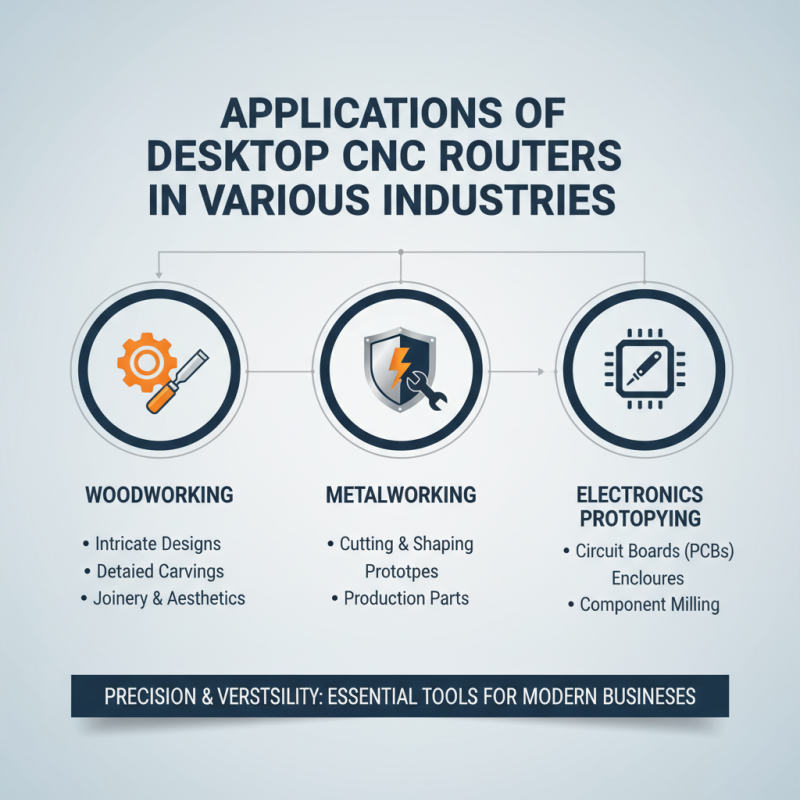
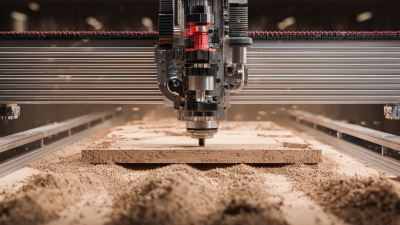
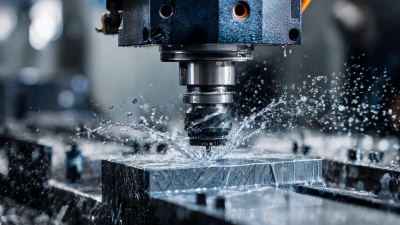
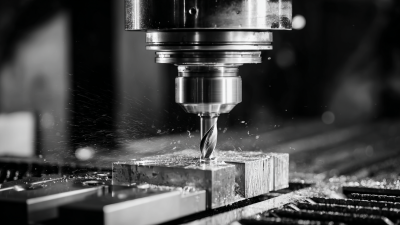
Desktop CNC routers have become vital tools across various industries. Their precision and versatility allow businesses to tackle a wide range of tasks. In woodworking, these routers create intricate designs easily. Craftsmen produce detailed carvings and joinery, enhancing product aesthetics and functionality. Metalworking also benefits, with routers cutting and shaping metals for prototypes and production parts.
In the signage industry, desktop CNC routers enable quick production. Companies can create customized signs and displays, helping them stand out. The recent trend of personalization drives demand for unique designs. However, not all projects go as planned. Mistakes can happen, leading to wasted materials and time. Learning to calibrate settings accurately can be a challenge for new users.
Additionally, the education sector utilizes desktop CNC routers for teaching practical skills. Schools foster creativity by allowing students to fabricate their projects. Yet, integrating these tools into curricula requires ongoing training for instructors. Understanding software and machinery takes time, and not all educators may feel confident. Businesses must consider these hurdles, balancing the investment in technology with the necessary support for successful implementation.
Cost-Effectiveness of Desktop CNC Routers for Startups
The cost-effectiveness of desktop CNC routers is increasingly appealing to startups. A report from Allied Market Research notes that the global CNC machine market is projected to reach $100 billion by 2026. This growth is driven by the demand for precision manufacturing, but startups often face tight budgets. Desktop CNC routers present an excellent solution, offering advanced features without the high costs typically associated with industrial machines.
For startups, investing in a desktop CNC router means lower upfront costs. Prices can range from $1,000 to $10,000, depending on specifications. In contrast, traditional CNC machines can cost upwards of $50,000. Moreover, operational expenses are significantly reduced. The energy consumption of smaller units is often lower. According to research from Technavio, the average energy cost for small machines is 30% less than larger counterparts.
However, achieving efficiency and quality requires investment in training and proper software. Many users report initial challenges with setup and learning curves. CNC routers may also lack the precision of larger units in complex tasks. It's essential for startups to weigh these factors. The balance between cost and capability can determine success in competitive markets.
Comparative Analysis: Desktop CNC Routers vs. Traditional Methods
Desktop CNC routers offer a transformative approach compared to traditional manufacturing methods. According to a report by the International Federation of Robotics, the incorporation of CNC technology can increase manufacturing efficiency by up to 30%. Traditional methods often involve extensive manual labor and longer production times. Desktop CNC routers automate these processes, significantly reducing human error and enhancing precision.
Another study by the National Institute of Standards and Technology found that the integration of CNC routers leads to improved design flexibility. Traditional methods often limit creativity due to constraints in prototyping. A CNC router allows businesses to execute complex designs quickly. However, the initial investment can be a barrier for some businesses. While the long-term savings are evident, the upfront costs need careful consideration.
Despite the advantages, not every aspect of desktop CNC routers is perfect. Training staff to operate these machines can be a challenge. Moreover, regular maintenance is crucial to prevent downtime. Businesses must weigh these factors against the benefits to make informed decisions. Understanding both sides leads to a more strategic approach in choosing the right tools for enhancing production capabilities.
Why Choose a Desktop CNC Router for Your Business Needs? - Comparative Analysis: Desktop CNC Routers vs. Traditional Methods
| Feature |
Desktop CNC Router |
Traditional Methods |
| Precision |
High precision, typically within 0.01mm |
Variable precision, often less consistent |
| Setup Time |
Quick setup with minimal tools required |
Time-consuming setup, often needing extensive tools |
| Material Versatility |
Works with various materials including wood, plastics, and metals |
Limited to specific materials based on method |
| Cost Efficiency |
Lower operational costs and less waste |
Higher costs due to waste and labor-intensive processes |
| User Skill Level |
User-friendly interfaces; can be operated by beginners |
Requires skilled artisans; steep learning curve |
| Production Speed |
Faster production for small to medium runs |
Slower production rates, especially for small runs |