



China Top Low Melt Polyester Staple Fiber Suppliers
Low Melt Polyester Staple Fiber is becoming a practical material for thermal-bonded nonwovens, automotive interiors, mattress padding, filtration, and hygiene products. Its low softening point helps manufacturers bond fiber webs with less resin and lower thermal exposure. That can improve production efficiency. It can also reduce unwanted stiffness.
Textile Exchange’s Materials Market Report 2024 states that polyester represented roughly 57% of global fiber production in 2023. This scale supports broad supply capacity, but it does not guarantee consistent low-melt performance. Grand View Research and Research and Markets both identify nonwovens and technical textiles as important growth areas for polyester fibers. Supplier comparison therefore requires more than price lists. Buyers should examine melting temperature, fiber length, denier, crimp, tensile strength, moisture content, and batch consistency.
Dr. Seshadri Ramkumar, a recognized textile and nonwovens specialist, offers a useful principle: “Performance must be measured in the application, not only in the laboratory.” That advice matters here. A fiber may bond smoothly in a test sheet yet fail during high-speed carding or compression molding. Small details matter. Think of a clean fiber bale, stable crimp, and uniform bonding points.
This guide reviews China’s leading Low Melt Polyester Staple Fiber suppliers through product capability, quality systems, customization, export experience, and technical support. Some supplier claims still require verification. Factory audits, sample trials, and independent testing remain essential. Supplier rankings should be treated as a starting point, not a final purchasing decision.
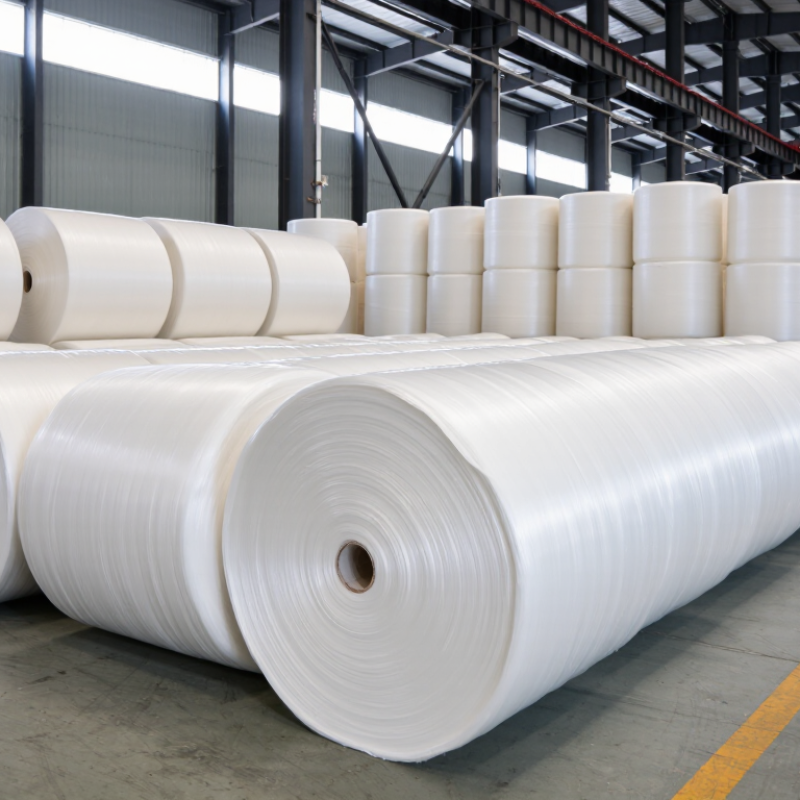
What Is Low Melt Polyester Staple Fiber?
Low melt polyester staple fiber is a thermally bonding fiber made from modified polyester. Its melting point is lower than ordinary polyester, often between 110°C and 180°C, depending on polymer design. Many grades use a sheath-core structure. The outer sheath softens during heating, while the inner core keeps its shape. This creates bonding without traditional adhesives.
The fiber is used in nonwoven fabrics, mattress fillings, automotive interiors, filtration media, and insulation products. According to Textile Exchange’s Materials Market Report 2024, global fiber production reached 124 million tonnes in 2023. Polyester represented about 57%, or approximately 71 million tonnes. This scale explains why even small improvements in bonding temperature can influence energy use and production efficiency.
Low melt fiber is not simply “polyester that melts easily.” Differential scanning calorimetry, tensile testing, shrinkage testing, and thermal stability checks remain important. A 2024 specialty polyester market analysis by MarketsandMarkets identifies automotive, filtration, and home-textile applications as continuing demand areas. However, the melting-point label is not perfectly standardized. Two fibers with similar specifications may behave differently on a production line. Moisture, web density, heating speed, and cooling pressure all matter. In practice, a supplier’s technical data sheet should be tested against the customer’s actual equipment, not accepted blindly.

How Low Melt Polyester Staple Fiber Is Manufactured in China
China Top Low Melt Polyester Staple Fiber Suppliers
How Low Melt Polyester Staple Fiber Is Manufactured in China
Low melt polyester staple fiber usually begins with carefully dried polyester chips. Moisture control matters because damp material can cause unstable spinning and weak filaments. In many Chinese factories, the polymer is modified to lower its softening temperature. Some production lines use a sheath-core structure, with a low-melt outer layer around a stronger polyester core.
The chips enter an extruder and become a uniform melt. Metering pumps push it through fine spinneret holes. Cooling air then solidifies the filaments. The line stretches them to develop strength, applies a controlled finish, and forms a regular crimp. Heated rollers help set the shape before the tow is cut into specified staple lengths.
Small details affect the final fiber. A minor temperature change may alter bonding performance. Testing often covers melting behavior, denier, fiber length, tensile strength, shrinkage, moisture, and visible contamination. Samples are also checked after heating with nonwoven materials. No production line is perfect. I have seen how uneven crimp can reduce web uniformity, even when laboratory results appear acceptable. That is why experienced technicians adjust speed, heat, and tension together, rather than trusting one reading. Cleaner handling is also essential, especially during packing and storage. Loose dust, compressed bales, or excessive humidity can create problems later.
Key Applications of Low Melt Polyester Staple Fiber
Low melt polyester staple fiber is widely used as a heat-activated bonding material. Its sheath softens at a lower temperature than the polyester core. This allows fibers to bond without fully melting the structure.
In mattress padding and furniture cushions, manufacturers blend it with regular polyester fiber. Heating creates stable webs with controlled thickness and recovery. The bonded layer can reduce adhesive use and improve production cleanliness. In automotive interiors, it supports trunk liners, door panels, and acoustic insulation. These parts need low odor, consistent bonding, and resistance to repeated vibration. Small variations in fiber length can affect surface uniformity.
The material also serves in air filtration media, construction felt, and molded nonwoven components. Chinese suppliers commonly offer different deniers, cut lengths, melting ranges, and crimp levels for these applications. Buyers should request technical data and test samples before large orders. Check bonding temperature, moisture content, tensile strength, and thermal shrinkage. It is not a universal fix. Excess heat may cause distortion, while insufficient heat can leave weak points. In practical production, airflow and oven pressure also change results. Engineers should test the fiber inside the final blend, not alone. A lower price may hide inconsistent batches or limited process support. That deserves careful review.
Leading Low Melt Polyester Staple Fiber Suppliers in China
China has a strong manufacturing base for low melt polyester staple fiber. Leading suppliers often serve automotive interiors, furniture padding, filtration, and thermal bonding fabrics. Their products usually contain a low-melting sheath and a stronger polyester core. This structure supports bonding under controlled heat without extra liquid adhesives.
Experienced suppliers provide clear data on melting range, fiber length, denier, crimp, color, and moisture content. They should also share test reports for tensile strength, thermal behavior, and batch consistency. Factory visits can reveal carding equipment, storage conditions, and laboratory practices. A reliable supplier explains limitations instead of promising every result. No supplier is perfect. Even well-managed factories may face shade variation or delayed testing during peak seasons.
Tips: Request a small trial lot before signing a large order. Test it on your actual production line, not only in a laboratory. Check bonding temperature, web strength, odor, and recovery after cooling. Ask for sample retention and batch traceability. Confirm export documents, packaging details, and inspection procedures in writing. Small details matter. A supplier’s response to a failed trial often shows more than a sales presentation.
China Top Low Melt Polyester Staple Fiber Suppliers - Leading Low Melt Polyester Staple Fiber Suppliers in China
| Supplier Category | Common Product Form | Typical Low-Melt Component | Common Melting-Point Range | Typical Fiber Length | Typical Fineness | Main Applications | Common Quality Documents | Key Sourcing Considerations |
|---|---|---|---|---|---|---|---|---|
| Large-scale polyester fiber manufacturer | Bicomponent low-melt polyester staple fiber | Low-melting polyester sheath with a higher-melting polyester core | Approximately 110–180°C, depending on grade | 32–76 mm | 1.5–15 denier | Nonwoven fabrics, automotive interiors, filtration media, insulation and mattress materials | Technical data sheet, certificate of analysis, safety data sheet and test reports | Confirm sheath/core structure, thermal bonding temperature, shrinkage and lot-to-lot consistency |
| Specialty nonwoven-fiber producer | Staple fiber for thermal-bonded nonwovens | Polyester-based low-softening-point binder component | Usually selected within the 110–160°C processing range | 38–64 mm | 2–6 denier | Hygiene products, sound absorption, furniture padding and construction insulation | Product specification sheet, REACH-related declaration and restricted-substance statement | Check bonding window, web-processing compatibility, odor, whiteness and fiber opening performance |
| Recycled-polyester fiber supplier | Recycled-content low-melt staple fiber | Recycled polyester in the core, sheath or both components, depending on design | Approximately 110–180°C, grade dependent | 32–76 mm | 1.5–15 denier | Eco-labeled nonwovens, home textiles, automotive components and insulation products | Recycled-content claim documentation, certificate of analysis and chemical-compliance declaration | Verify recycled-content percentage, chain-of-custody evidence, color consistency and mechanical strength |
| Fine-denier fiber supplier | Fine-denier bicomponent staple fiber | Low-melting polyester sheath and structural polyester core | Approximately 110–160°C | 32–51 mm | 0.8–2.0 denier | Soft nonwovens, wipes, filtration layers, artificial leather substrates and lightweight padding | Technical data sheet, uniformity test results and certificate of analysis | Evaluate fiber dispersion, crimp, cohesion, softness and performance after thermal bonding |
| Coarse-denier fiber supplier | High-strength low-melt staple fiber | Polyester-based binder sheath with a higher-melting structural core | Approximately 130–180°C | 51–76 mm | 6–15 denier | Automotive molded parts, geotextiles, heavy insulation, furniture and carpet backing | Product specification sheet, tensile-property report and batch inspection report | Compare tensile strength, crimp stability, thermal shrinkage and molding-cycle performance |
| Export-oriented fiber supplier | Standard and customized low-melt staple fiber grades | Polyester/polyester or polyester/co-polyester bicomponent construction | Commonly 110–180°C, based on customer process requirements | 32–76 mm | 1.5–15 denier | Industrial nonwovens, automotive textiles, bedding, filtration and thermal insulation | Commercial invoice, packing list, certificate of origin, technical data sheet and SDS | Confirm export packaging, pallet requirements, lead time, sample approval and shipment terms |
| Customized technical-fiber supplier | Engineered grades with specified cut length, denier or crimp | Customized polyester-based low-melt polymer combination | Specified according to the customer's bonding equipment and process temperature | Customer-specified, commonly 32–76 mm | Customer-specified, commonly 1.5–15 denier | Specialty composites, molded nonwovens, filtration, acoustic panels and advanced insulation | Agreed specification, approval sample report, certificate of analysis and change-control documentation | Require pilot trials to confirm bonding temperature, shrinkage, strength, hand feel and production yield |
The specification ranges shown are typical industry reference values rather than claims for any individual supplier. Actual values vary by polymer design, bicomponent structure, production process and application requirements; buyers should verify the latest technical data sheet and sample results before placing an order.
How to Evaluate and Select a Chinese Supplier
Selecting a Chinese low melt polyester staple fiber supplier requires more than comparing prices. Textile Exchange’s Materials Market Report 2024 reported that polyester represented about 59% of global fiber production in 2023. Demand is large, but supplier quality can vary sharply.
Request a technical data sheet showing melting point, denier, cut length, moisture, crimp, and tensile strength. Ask whether the stated melting range remains stable during production. A laboratory sample should match the mass-production sample. Test bonding performance at your actual temperature, pressure, and residence time. A five-degree difference can affect fabric softness and shrinkage. Check batch records, calibration certificates, and third-party testing for restricted substances. ISO 9001 certification is useful, but it does not replace factory verification.
Tips: Ask for three recent batch reports. Compare variation, not only average values. Inspect fiber bales, labels, packaging, and warehouse humidity during a video or on-site audit. Confirm monthly capacity, minimum order quantity, lead time, and replacement procedures in writing. Review payment terms carefully. A very low quotation may hide inconsistent raw materials or weak testing controls.
Experience also matters. Suppliers should explain how they adjust fiber properties for nonwoven fabric, automotive interiors, or thermal bonding applications. Do not rely on polished samples alone. My own evaluation preference would be a small paid trial order, followed by production-line testing. This takes longer, but it exposes problems early. One limitation remains: public supplier information is often incomplete, so every claim deserves independent verification.
Siemensstraße 13-15
47608 Geldern
NRW Deutschland
Mail: sale@atmmachinesolutions.com
Head office:
+49 (0) 2831 91021-20
Fax:
+49 (0) 2831 91021-99
SUPPORT and INFO
from 3 p.m. to 6 p.m:
+49 (0) 2831 91021-60
( please ring for a long time )
Monday to Friday
8.00 – 12.30
and 13.00 – 15.00
Visit / collection by appointment only!
➣ Sign up for our newsletter
Benefit from a 20% discount, don’t miss any events and always stay up to date.
To access the actual content, click on the button below. Please note that data will be passed on to third-party providers.
More information