China Top 10G LR SFP Suppliers for Global Buyers
Choosing a reliable 10g Lr Sfp supplier requires more than comparing catalog prices. Global buyers need verified optical performance, stable production, responsive support, and clear compliance documentation. A supplier may advertise 10 kilometers of reach, yet the real result depends on fiber quality, connector cleanliness, insertion loss, and network equipment compatibility.
Ethernet pioneer Robert Metcalfe once described Ethernet as “the plumbing of the Internet.” His observation remains useful here. A 10g Lr Sfp is a small component, but it carries critical traffic through data centers, enterprise campuses, telecom rooms, and long building links. One weak module can create intermittent alarms, packet loss, or expensive troubleshooting work.
This guide examines China’s top 10G LR SFP suppliers for global buyers. It considers manufacturing experience, IEEE 802.3ae alignment, SFP+ MSA compliance, DOM monitoring, testing procedures, warranty terms, and export support. Supplier selection should include questions about laser quality, temperature ratings, coding options, and interoperability with brands such as Cisco, Juniper, Arista, and HPE.
Pricing still matters. It should not lead the decision.
A serious evaluation also checks sample consistency. Ask for test reports, not only polished brochures. Confirm whether the supplier performs burn-in testing and tracks serial numbers. Some vendors provide excellent samples but inconsistent later batches. That risk deserves attention.
The ranking is practical, not absolute. A telecom carrier may value long-term customization, while a smaller integrator may prioritize low minimum orders and fast delivery. Buyers should verify every technical claim before placing volume orders.
What Is a 10G LR SFP Module and Where Is It Used?
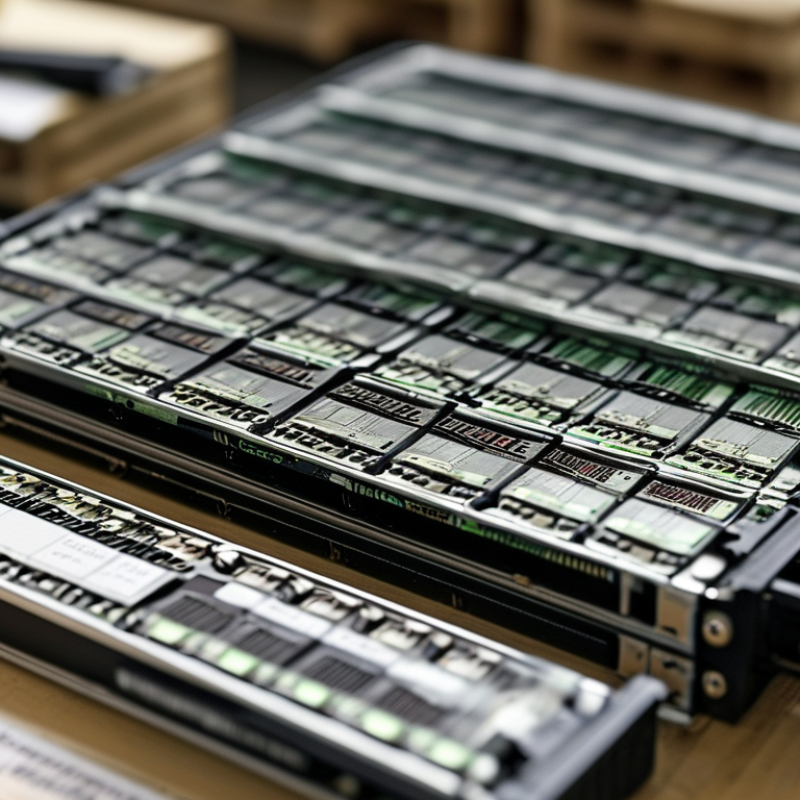
A 10G LR SFP module is a compact optical transceiver for 10-gigabit Ethernet links. “LR” means Long Reach. It normally operates at 1310 nm and supports transmission up to 10 kilometers over duplex single-mode fiber. The module follows the 10GBASE-LR specification under IEEE 802.3. It commonly uses an LC connector and supports digital diagnostics for temperature, voltage, and optical power.
Where is it used? Data centers, metropolitan networks, campus backbones, and surveillance aggregation points are common examples. The International Telecommunication Union reported 5.4 billion people online in 2023. Cisco’s Annual Internet Report projected 29.3 billion networked devices by 2023. These figures show why stable, scalable fiber connections remain important, even when 10G appears modest beside newer speeds.
For buyers comparing China-based suppliers, technical matching matters more than a low unit price. Check wavelength, fiber type, transmission distance, operating temperature, DOM support, and host-device compatibility. Ask for test records and lot traceability. A module may meet its label yet perform poorly with dirty connectors or excessive loss. That part is often overlooked. In field work, a two-minute power-budget calculation can prevent hours of troubleshooting. Supplier documentation should also state coding options, warranty terms, and inspection procedures. Specifications are not always perfectly presented, so buyers should verify them against IEEE requirements and measured test results.
How to Evaluate China-Based 10G LR SFP Suppliers
How to Evaluate China-Based 10G LR SFP Suppliers
Global connectivity keeps expanding. The ITU reported 5.4 billion people used the Internet in 2023, equal to about 67% of the world’s population. Cisco’s Annual Internet Report projected 29.3 billion networked devices by 2023. These figures increase pressure on stable, affordable optical links. For a China-based 10G LR SFP supplier, evaluation should begin with technical evidence, not catalog size.
Check compliance with IEEE 802.3ae and the 10GBASE-LR specification. Confirm 1310 nm operation, single-mode fiber support, and a nominal reach of 10 kilometers. Ask for transmission tests, receiver sensitivity data, optical power ranges, and DOM accuracy.
Short answer: Demand measured results. The supplier should provide lot-level reports, not only a generic datasheet.
Verify connector polish, laser safety controls, temperature ratings, and firmware compatibility with your switches. Independent laboratory testing adds credibility, especially for large deployments.
Manufacturing experience matters. Request sample units from different production batches and compare their readings. Review failure rates, burn-in procedures, traceability, and replacement policies. ISO 9001 certification can support process confidence, but it cannot guarantee field performance.
I would not pretend that every certificate proves reliability. It does not.
Ask for references from comparable network environments, while protecting customer confidentiality. Clear lead times, responsive engineering support, and transparent warranty terms often reveal more than polished sales language. One overlooked detail is packaging; poorly sealed modules can arrive with contamination or moisture damage.
Profiles of China’s Top 10G LR SFP Suppliers
China’s top 10G LR SFP suppliers usually fall into three groups: carrier-grade manufacturers, OEM/ODM specialists, and flexible mid-sized factories. Carrier-focused suppliers often provide stricter aging tests, traceability, and stable firmware. OEM/ODM suppliers offer customized labels, coding, and packaging. Mid-sized factories may respond faster, but their documentation can be uneven. Buyers should inspect test records, not only product pages.
IEEE 802.3 defines 10GBASE-LR for single-mode fiber, typically reaching 10 kilometers at 1310 nm. SFF-8472 supports digital optical monitoring, including temperature, voltage, and transmit power. These details matter in long links. Cisco’s Annual Internet Report projected 29.3 billion connected devices by 2023, showing why dependable optical components remain important. However, market demand does not guarantee equal supplier quality. Some factories still provide incomplete wavelength reports. That is a warning sign.
Tips: Request a sample batch before volume purchasing. Check DOM accuracy at 25°C and across operating temperatures. Confirm serial-number traceability, RoHS documentation, and interoperability with your switch platform. Ask for insertion-loss data from actual production units. A supplier with clear failure analysis deserves more trust than one promising only a low price. The selection process is not perfect. Field testing may still reveal issues that laboratory sheets miss.
10G LR SFP Product Specification Profile for Global Buyers
Standardized technical benchmarks commonly used when evaluating 10GBASE-LR SFP products from China-based suppliers.
The benchmark represents typical 10GBASE-LR specifications: 10.3125 Gb/s data rate, up to 10 km transmission distance over single-mode fiber, 1310 nm operating wavelength, and a commercial operating temperature range of 0–70°C. Actual supplier offerings may vary by coding, diagnostics, temperature grade, and compliance requirements.
How to Compare Supplier Quality, Pricing, and Support
When comparing China’s 10G LR SFP suppliers, quality should begin with measurable evidence, not polished catalogs. Ask for optical test reports covering wavelength, transmission distance, receiver sensitivity, and power consumption. A reliable supplier should provide digital diagnostic monitoring data and clear operating-temperature limits. Request samples before placing a volume order. Test them with your actual switches, fiber type, and patch-panel layout.
Pricing needs a wider view. Compare the module price, sample fees, shipping, taxes, warranty terms, and replacement costs. A low quotation can become expensive after repeated failures. Check whether production uses consistent components across different batches. Also examine minimum order quantities and lead times. Small details matter. One overlooked delay can affect an entire installation schedule.
Support is harder to measure, but response quality reveals operational experience. Ask technical questions about coding, interoperability, firmware, and fault diagnosis. Record how quickly the supplier replies and whether answers include practical test steps. Confirm the RMA process, response deadline, and available engineering support. I have found that vague promises often appear before shipment problems. That is not proof of poor quality, but it deserves scrutiny. A supplier may offer excellent samples yet struggle with large-batch consistency. Request batch records, packing photos, and inspection procedures. Leave room for independent testing, because confidence should not replace verification.
Steps for Global Buyers to Select and Purchase 10G LR SFPs
For global buyers, selecting a China-based 10G LR SFP supplier starts with network requirements, not attractive pricing.
Confirm 10GBASE-LR compliance, 1310 nm optics, duplex LC connectivity, and a typical 10 km reach over single-mode fiber. Check operating temperature, digital diagnostics, power consumption, and switch compatibility. Request datasheets, factory test records, and samples before placing a volume order. A reliable supplier should explain equipment coding and document EEPROM settings clearly. Vague answers are a warning.
Compare at least three suppliers with the same technical checklist. Review production experience, engineering support, quality controls, and export documentation. Request serial-number traceability, optical test results, and recent batch failure data. Independent laboratory reports can improve confidence, but they cannot replace your compatibility testing. Test samples at the expected distance, temperature, and traffic load. Real conditions matter. Confirm lead time, minimum order quantity, warranty terms, replacement procedures, Incoterms, payment security, and customs responsibilities before signing.
Tips:
Keep one spare module for troubleshooting. Record Tx and Rx power before installation and after thirty minutes. Do not judge quality from one successful link. We once overlooked a connector tolerance issue during bench testing. Field installation exposed it. That mistake showed why patch-cord cleanliness, rack layout, and repeated testing need written checks. Ask how suppliers manage design changes and obsolete components. A lower quote may become expensive when delays, returns, or downtime appear.